A data-driven framework in four modules
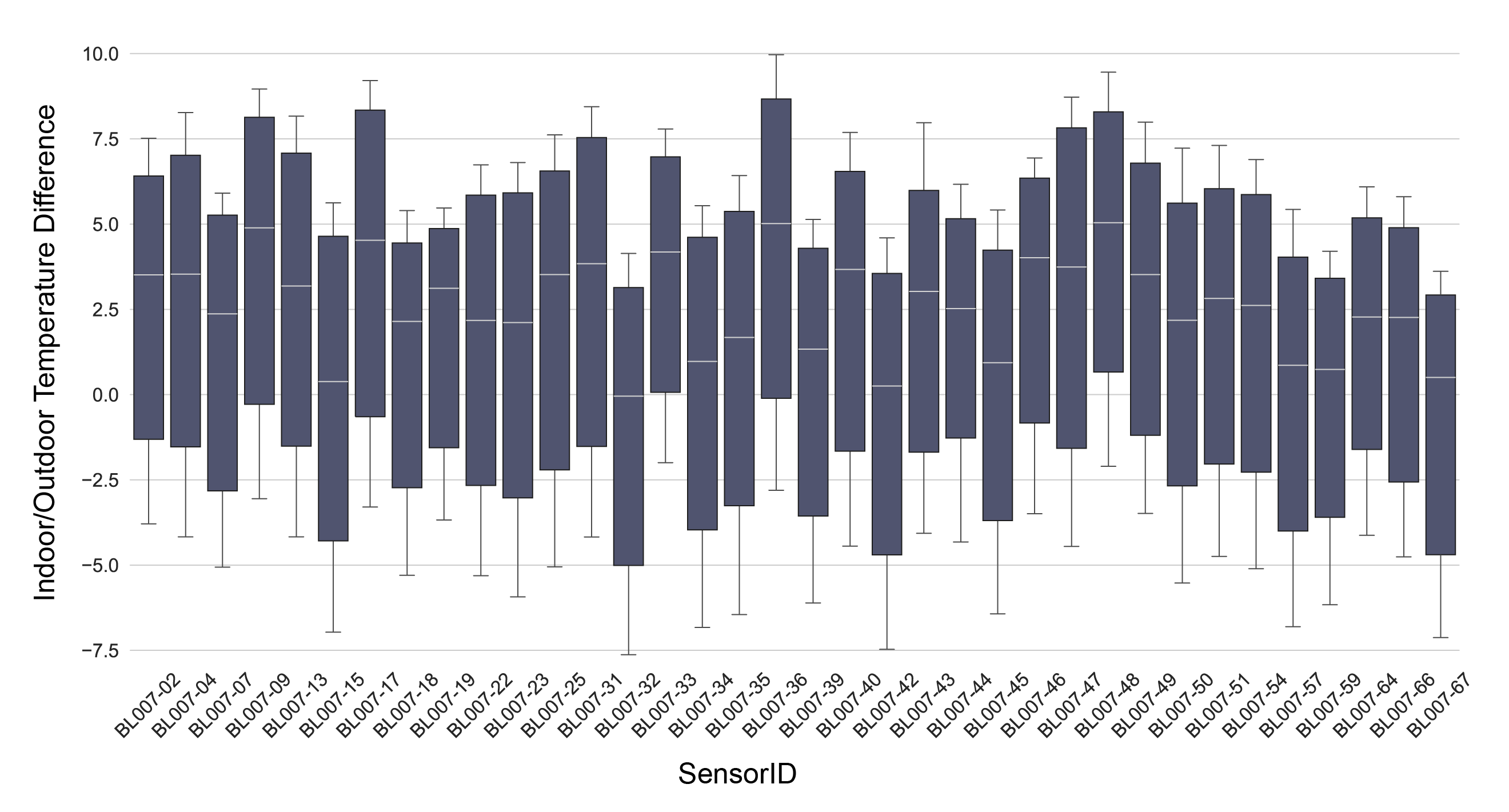
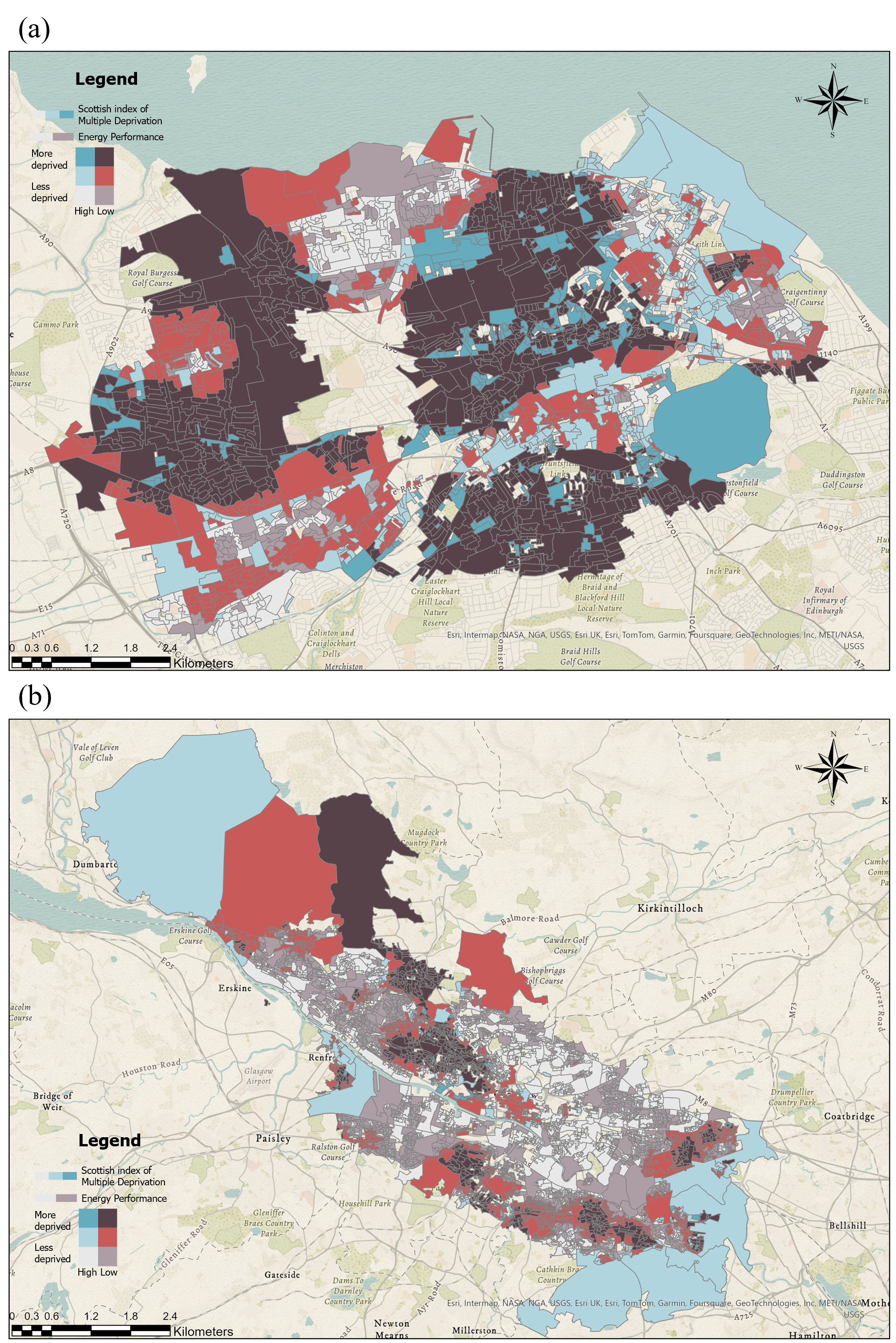
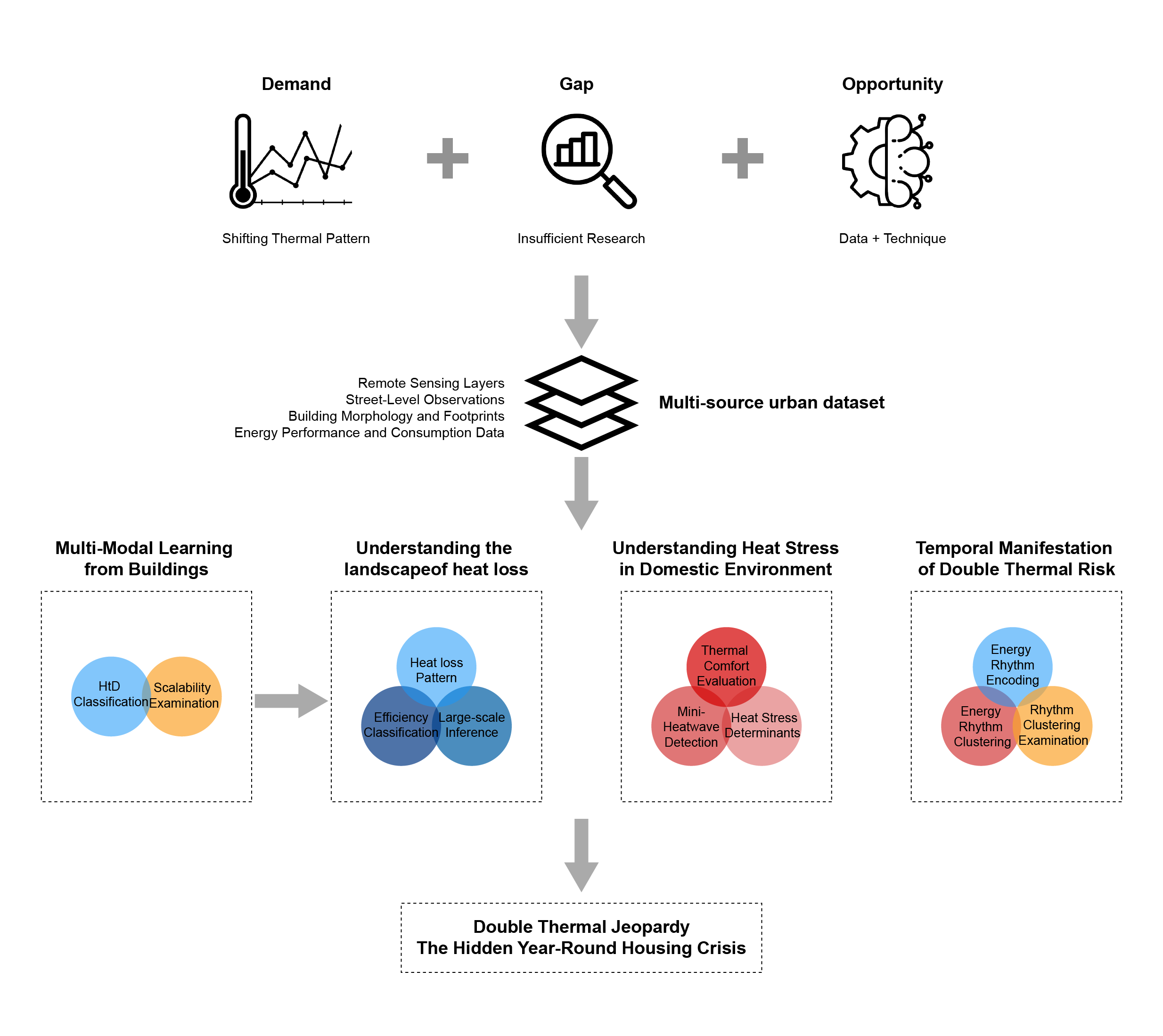
The thesis treats thermal vulnerability as a pattern-recognition problem grounded in observational data. Four interrelated modules integrate deep learning, high-resolution indoor sensing, and large-scale smart-meter analysis: (1) identify hard-to-decarbonise buildings from imagery; (2) map the landscape of heat loss where energy certificates are missing; (3) characterise indoor heat stress during summer heatwaves; (4) reveal the temporal rhythm of thermal risk in household electricity demand.