When the house heats up, people open a window.

Ethiopia built hundreds of thousands of affordable flats — but few were designed for the heat inside them. A study of 317 homes in Jimma asks what 'comfortable' really means here, and how residents cope.

Comfort was an afterthought

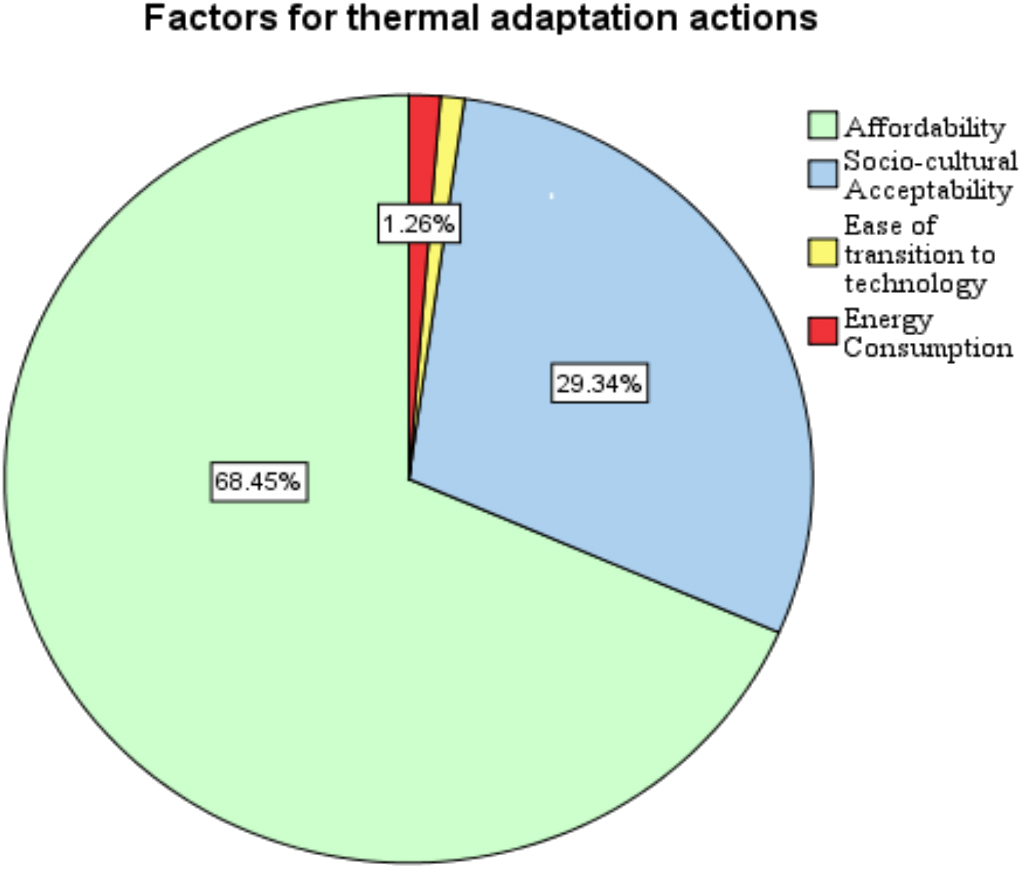
Climate change is pushing indoor temperatures up, and the discomfort lands hardest in low-income housing. Since 2005, Ethiopia's Integrated Housing Development Program has delivered vast numbers of low-cost units at speed — but thermal comfort was rarely part of how they were designed or built.

The same standardized blocks that solved a housing shortage left occupants to manage the heat on their own.
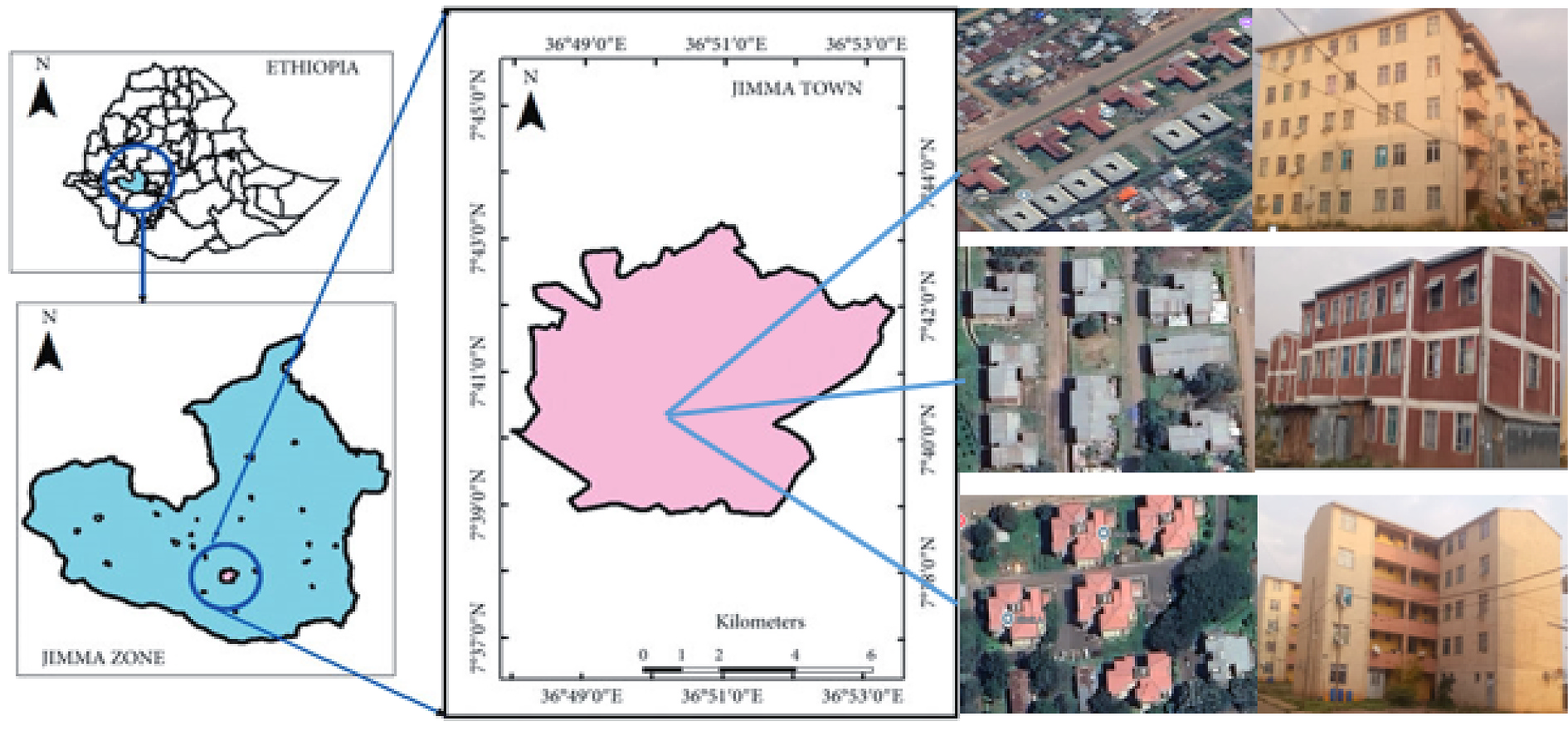
Location map of Jimma city and the studied IHDP housing sites.
Limited attention has been given to thermal comfort in the design and construction of those affordable housing units.

Asres et al., Energy & Buildings (2026)

Description of the survey respondents across the studied IHDP houses.

Measuring comfort where people live

Across the dry and wet seasons of 2023, the team monitored indoor environments with sensors and ran structured surveys in 317 IHDP houses in Jimma, drawn from a population of 1,520 households. They paired an adaptive comfort model with binary logistic regression to link how rooms feel to what residents actually do about it.

What the homes told us

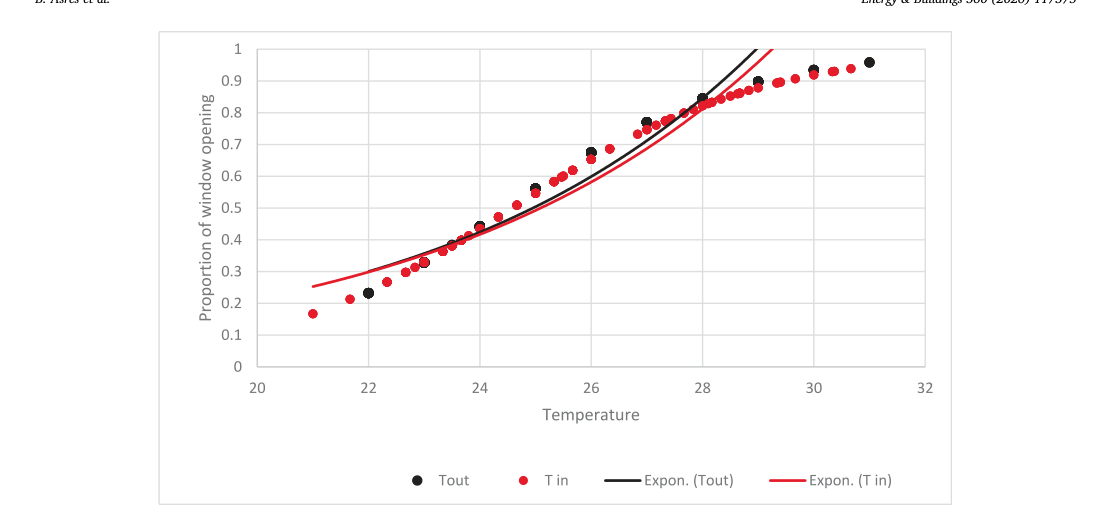
A local comfort temperature, and a behavior that switches on sharply once it's crossed.

25.1 °C Adjusted local comfort temperature for these homes
< 50% Chance a window is open below the comfort threshold
> 90% Chance a window is open once it passes 30 °C
317 IHDP homes monitored across dry and wet seasons

A switch, not a dial

Window opening doesn't ramp up gently with heat — it flips. Below the comfort temperature, residents mostly keep windows shut; above 30 °C, almost everyone opens them. Indoor and outdoor temperature are the strongest predictors of that choice, with the fitted model giving logit(Pw) = 0.448·Tin − 11.01 (n = 317, p < 0.001).

Window operability isn't a convenience here — it's the primary thermostat residents have.
Logistic relationship between the probability of window opening and temperature.
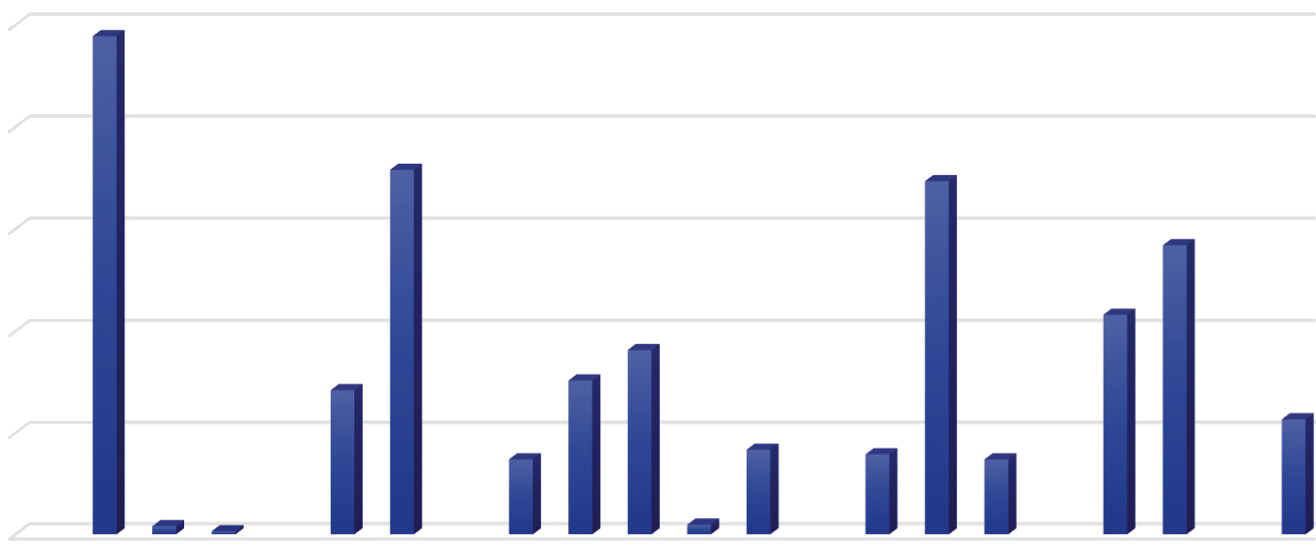
Widely used adaptive measures occupants take to keep indoor space cool.

How residents keep cool

Opening windows is the front line, but it sits within a wider repertoire of low-tech adaptations — adjusting clothing, shifting activities, and using what few appliances are available. Where these options are blocked by building design or cost, occupants are left exposed, and that constraint is itself a design failure.

Design for the heat, not around it

Comfort in these homes is built on behavior the design never planned for. Treating window operability, orientation, and ventilation as first-class concerns — not afterthoughts — would let Ethiopia's next wave of high-rise affordable housing keep residents comfortable instead of leaving them to improvise.

Integrate thermal comfort and window operability into the design of massive high-rise residential housing developments.

Credits